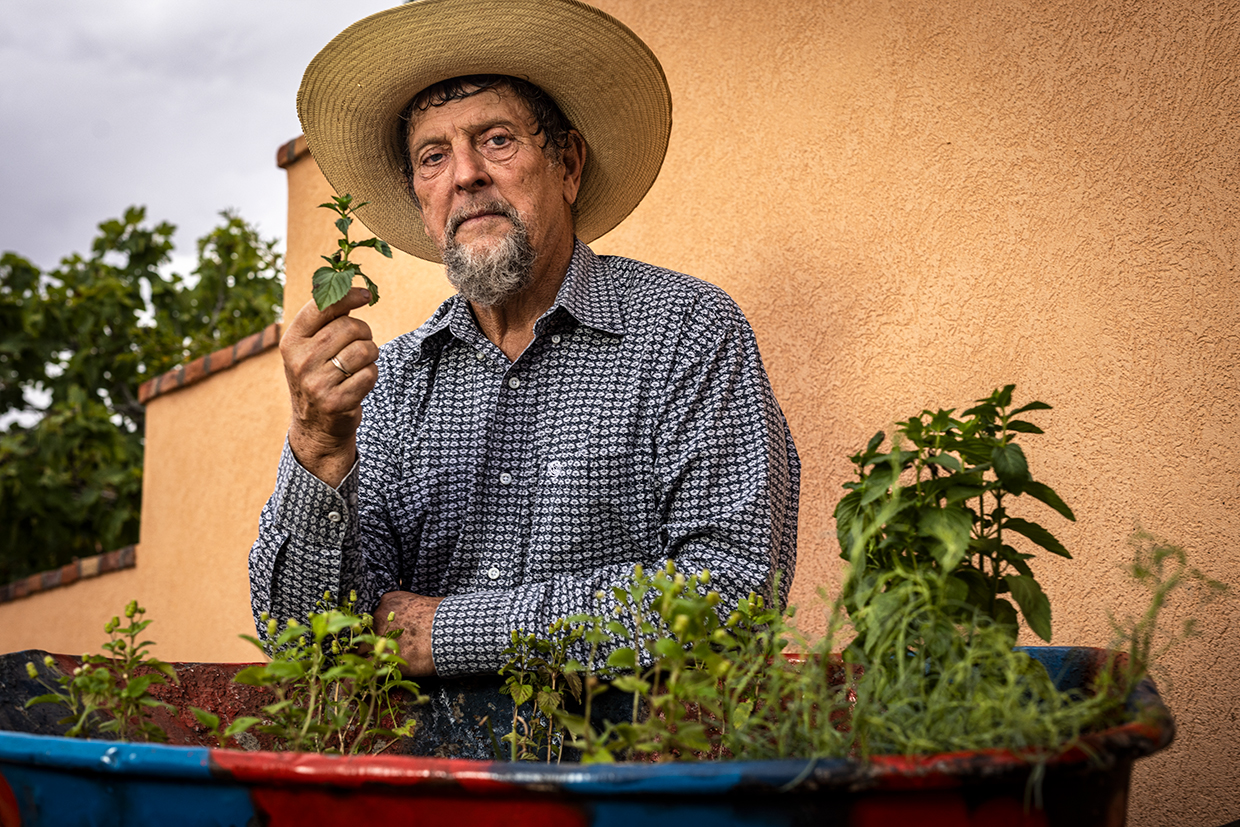
Gary Paul Nabhan
Gary Paul Nabhan is a Lebanese-American orchardkeeper, spice grower, agroecologists and desert ethnobotanist who lives in both Arizona and Sonora, Mexico. Called the father of the local food movement, a pioneer in seed saving of heritage crops, and the lyrical poet of biodiversity, Nabhan is author or coauthor of over thirty books and dozens of articles on food, farming and climate adaptation. He has been honored with an EcoFarm "Sustie" award, a James Beard Awards award for writing Agave Spirits, and lifetimes achievement honors from Chefs Collaborative and Edible Communities. An Ecumenical Franciscan Brother, he calls his desert agricultural experiments "faith-based farming" in the face of uncertainty.
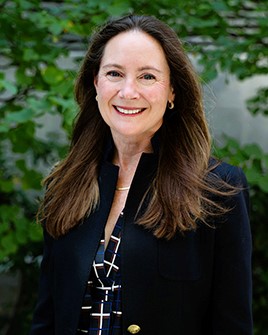
Christine Birdsong
Christine Birdsong was appointed by Governor Newsom as Undersecretary of the California Department of Food and Agriculture. Birdsong has worked in agricultural policy at the state and national level for 15 years.
She was previously Senior Vice President, General Counsel and Director of People and Culture for the Sun Valley Rice Company, where she handled state and federal regulatory compliance and corporate legal issues.
She has also served as General Counsel for the National Cotton Council of America, Counsel for the Committee on Agriculture for the United States House of Representatives and Federal Government Affairs Leader for CropLife America. Birdsong earned a Juris Doctor degree from the UC College of the Law, San Francisco, and is a UC Berkeley alumni.
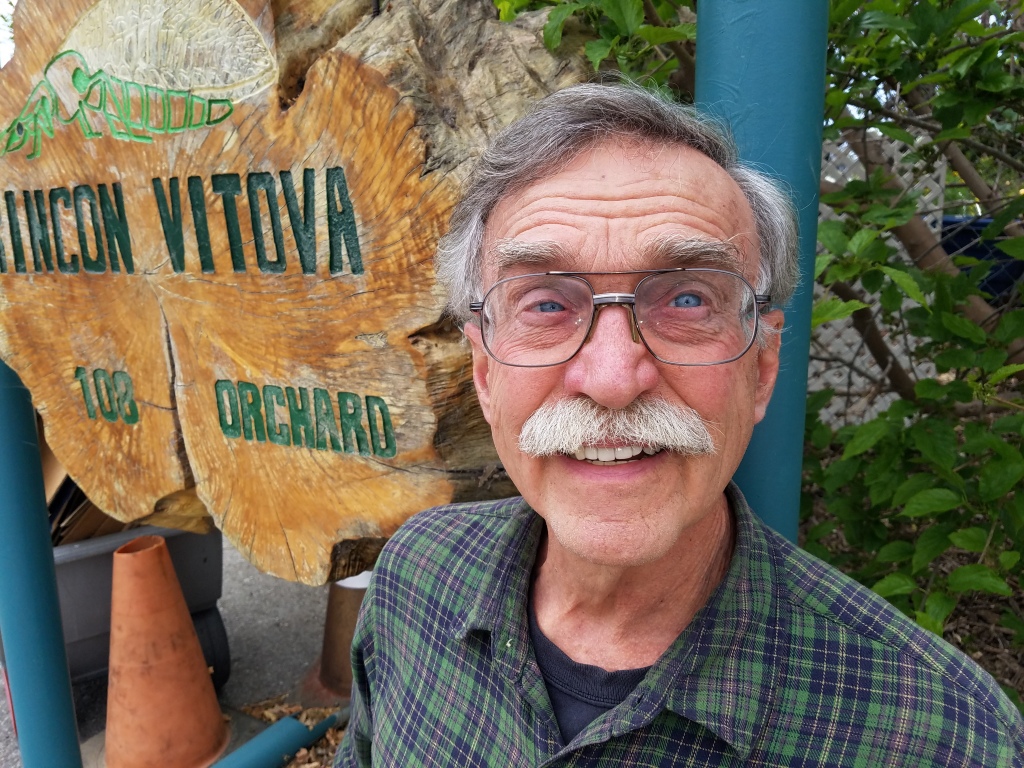
Ron Whitehurst
Ron Whitehurst, a specialist in biological pest control for farmers, gardeners, consultants, and practitioners, engages participants in lectures and workshops about the biological control of insect pests in fields, greenhouses, landscapes, gardens, and animal-rearing situations. His lively discussions about insect lifecycles and predator-prey relationships make the principles of biocontrol easy to understand for both lay and technical audiences. Ron is a California-licensed Pest Control Advisor and co-owner of Rincon-Vitova Insectaries, Inc., which produces and markets supplies for biological pest control. He has been communicating about organic methods of farming and gardening for over 30 years. Since 1997 he has promoted Rincon-Vitova’s mission by consulting in the field and lab, by phone and email. He guides people through the steps of creating and biologically managing ecosystems to minimize and control pests, using insect habitats, cultural methods, beneficial insects, and soft pesticides when needed. He is a project leader for the Dietrick Institute for Applied Insect Ecology, co-located with Rincon-Vitova, where he has done cutting-edge urban pest management demonstrations. After earning a BA in Biology at Indiana University, Ron worked as an organic garden writer in Indianapolis and helped organize an organic grower association. On moving to California, he got a PCA license and, over the years, has attended and presented at numerous organic farming and pest control conferences. An avid gardener, he loves making compost, building soil, and creating bio-intensive food-producing landscapes. Ron’s mentor is Everett (Deke) Dietrick, a commercial biocontrol pioneer, who worked alongside the academic lights of biocontrol in the 1960s and ’70s, Robert Van den Bosch, Paul De Bach, and others. Deke mentored Ron in many settings, including as a field scout in cotton and alfalfa for the Sustainable Cotton Project. Ron evaluates products that fit into a biocontrol program and are acceptable for organic production. He works with his wife, Jan Dietrick (Deke’s daughter), and is the proud grandfather of a thirteen-year-old boy.
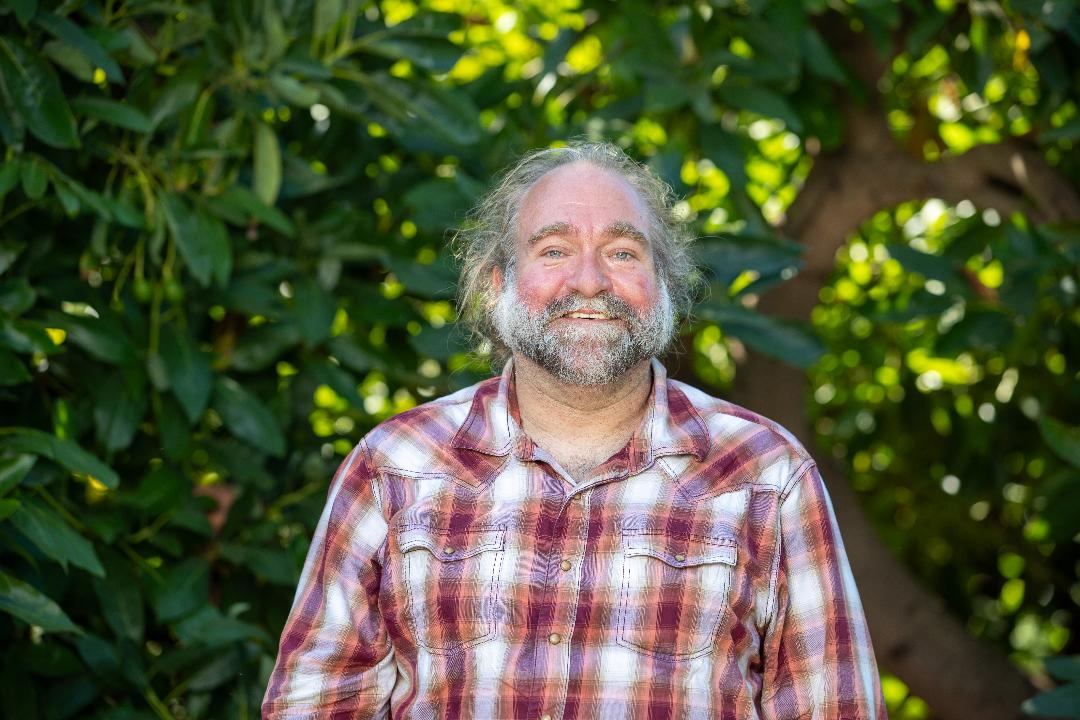
Eric Focht
Eric Focht has worked at UCR under Dr. Mary Lu Arpaia for 25 years in avocado breeding and improvement. He recently attained his doctorate in Plant Biology, looking at somatic mutations of the Hass variety (earlier, larger fruit), and remains generally interested in collecting, cataloging, and maintaining the UCR variety collection in Irvine and Riverside.
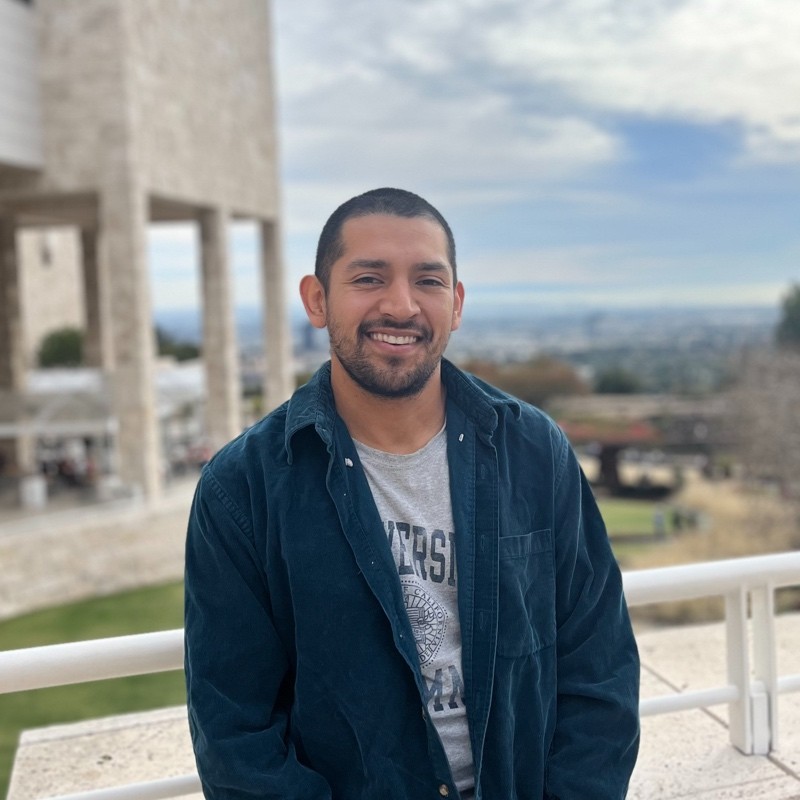
Mariano Resendiz
Mariano, a plant scientist and aspiring breeder at UC Riverside, develops phylogenomic, cytogenetic, and molecular tools for pomegranates. His research focuses on exploring the genetic diversity of pomegranate germplasm collections across the U.S. to develop resilient future varieties. Having worked extensively with non-model crops, he is passionate about “orphan crops”—underutilized plants that hold great potential for agriculture and scientific discovery.

Erik Unger
Erik Unger is a Southern California farmer, educator, and an advocate for economically viable sustainable
agriculture. In 2018, he created Gable Farms, an organic market garden in Riverside California. Gable
Farms is a Nonprofit with its primary mission to serve the cognitively disadvantaged community by
providing work and lifeskills opportunities.
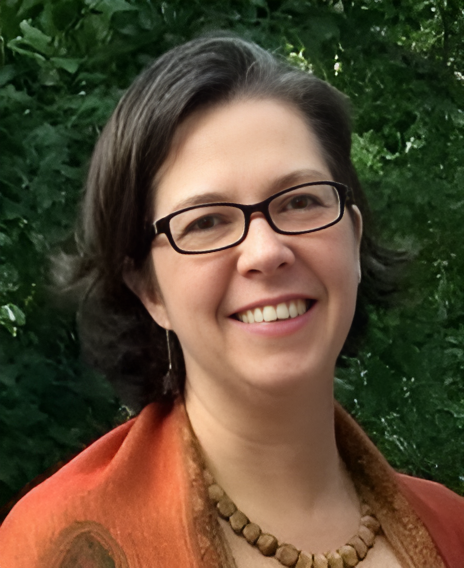
Jennifer Stokes-Draut
Jennifer Stokes-Draut is a Research Scientist in the Energy Analysis and Environmental Impacts Department at Lawrence Berkeley National Laboratory and a Research Engineer and Lecturer in the Civil and Environmental Engineering Department at the University of California, Berkeley. She studies the economic, energy, and environmental implications of complex infrastructure systems and leads several research projects exploring the interdependencies between food, energy, and water in a changing climate and a decarbonizing economy. Jenn has a PhD from UC Berkeley in Civil and Environmental Engineering.
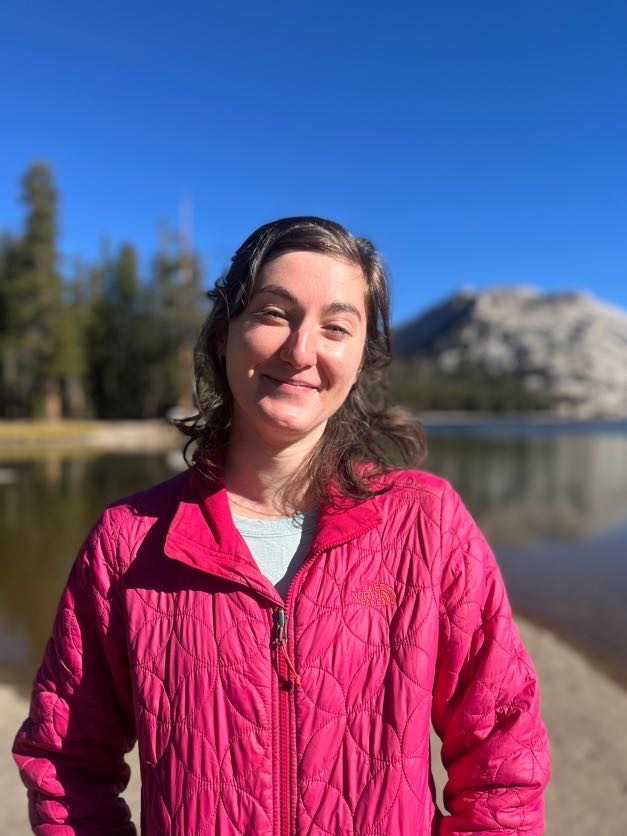
Abigayle Hodson
Abigayle Hodson is a Scientific Engineering Associate in the Energy Analysis and Environmental Impacts Department at Lawrence Berkeley National Laboratory. She is currently engaged in research regarding the current and future state of water-energy-food nexus. Her background in environmental engineering with a focus on water resources, supplemented by coding and data science skills. Abby has an MS degree from UC Berkeley in Civil and Environmental Engineering.
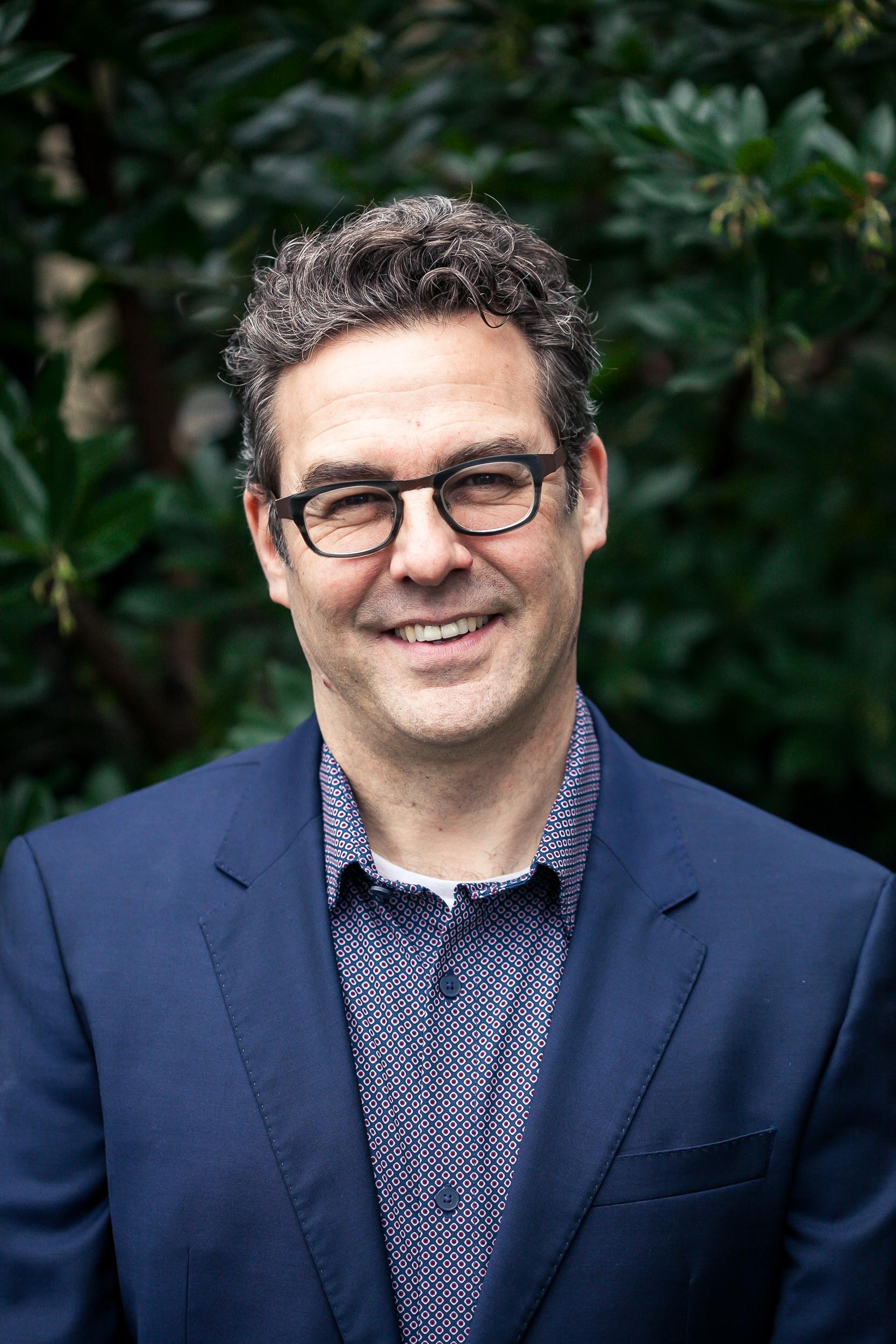
Derek Smith
Derek Smith is Executive Director of Resource Innovation Institute (RII), a not-for-profit public-private partnership advancing community resilience through the integration of controlled environment agriculture into the future of farming. By collaborating with federal agencies, states, utilities, researchers, and industry leaders, RII delivers consensus, data-driven solutions that promote resource-efficient market development, and advance circularity at the food-energy-water nexus.
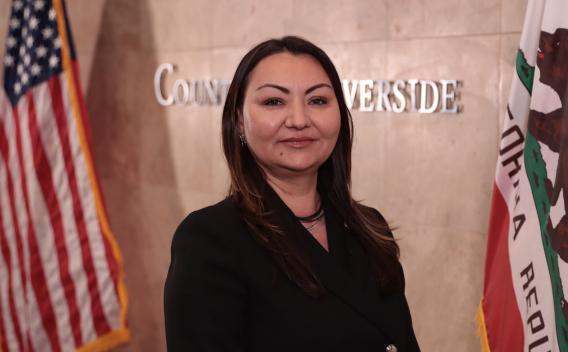
Delia Jimenez Cioc
Delia began her career with the Riverside County Agricultural Commissioner’s Office in 2004, two years after graduating from California State Polytechnic University, Pomona in 2002. She has held positions of responsibility in every program within the department including Environmental Protection, Consumer Protection, Weights and Measures, and Pest Detection/Exclusion programs, all while maintaining an excellent performance record and successfully meeting the County’s and department’s expectations. She has a Bachelor of Science degree in Agricultural Biology which has allowed her to work in the field she has always desired to work in. As an Agricultural and Standards Investigator, she worked in various programs such as Pest Detection and Pest Exclusion before she was transferred to the Pesticide Use Monitoring division. There, she spent nearly nine years conducting pesticide use inspections, records inspections, health investigations and issuing Restricted Materials Permits. In 2013, she was promoted to the Supervising Agricultural and Standards Investigator and supervised the Riverside District team. While working as a supervisor, she attended California Baptist University and received a Master of Public Administration, in 2014. In 2017, she promoted to Deputy Agricultural Commissioner/Sealer before being appointed to the Assistant Agricultural Commissioner/Sealer, in 2019. In this role, Delia managed the department’s $ 8 milliondollar annual budget, consisting of 57 full time employees and maintained all personnel related matters. While working for the Agricultural Commissioner’s Office, she developed and maintained many meaningful relationships with our farming and commerce community. As the new Agricultural Commissioner/Sealer of Riverside County, she remains committed to promoting and protecting our agriculture, the environment, and the citizens of our beautiful and diverse county while upholding equity in the marketplace through uniform applications of laws and regulations. Delia is truly passionate about agriculture and has been since she was a little girl. She grew up surrounded by wheat, corn, grapevines, and sunflower fields and she finds fulfilment in cooking with fruits and vegetables she grows in her own back yard.
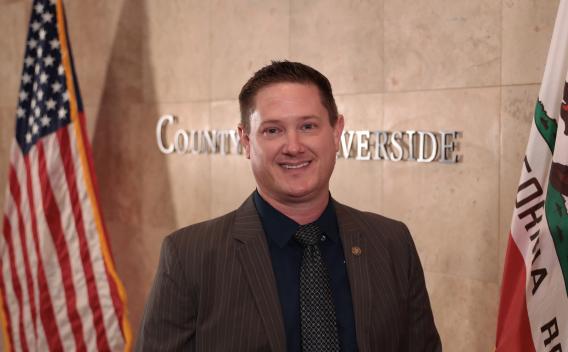
Erik Downs
Erik Downs was born and raised in Riverside, CA. He attended Riverside Polytechnic high school as a member of the class of 2001. After he graduated high school he attended Humboldt State University where he obtained his Bachelor of Science degree in Zoology. Returning to Riverside after college, he found a job with Riverside County's Department of Animal Services in 2007 and later moved over to the Agricultural Commissioner's office in 2010. After 10 years of service Erik was promoted to a Deputy Commissioner/Sealer position with the Agricultural Commissioner's office, a position he still currently holds. Within the Riverside County Agricultural Commissioner;'s Office, Erik oversees the departments Pest Exclusion, Pest Detection, Pest Management, Nursery, Hemp, and Phytosanitary programs. He lives with his Wife Rachael and their multiple rescue pets in Riverside.
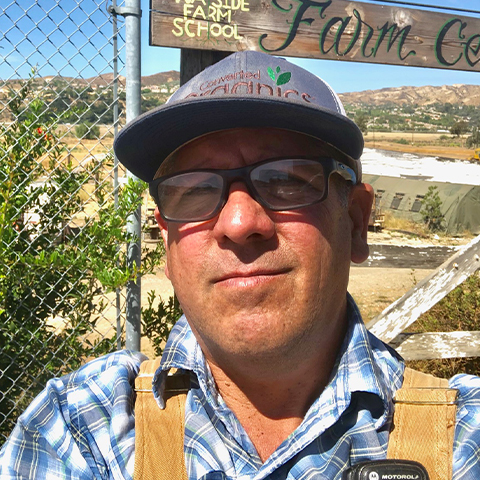
Patrick Mitchell
Patrick Mitchell is a California Farmer, Naturalist, Teacher and Writer and currently serves as the Five Keys Ecological Agriculture Training (EAT!) Farm Operations and Cultural Center Manager. In this role, Patrick oversees the Small Farm Apprenticeship Program, guides our land management practices and production and manages the collaborative use and maintenance of the Ecological Agriculture Training Cultural Center. He is a Native Californian (though not Indigenous) and has authored two books and numerous popular and peer reviewed articles related to land, water, biological diversity and culture in Southern California. I have more than 25 years of experience in ecological horticulture and land-based education. For the past 15 years Patrick has taken a hands-on role in various market-scale farm operations by growing and selling culinary herbs, citrus, vegetables and other specialty crops. During this time Patrick developed a small-farm system that incorporates the practice of Natural History and the principles of ecological restoration with bio-intensive crop production and regenerative animal agriculture. He has owned several small businesses with his wife including Blue Orchid Flower Shop and The Wild Bunch Flower Company for which he currently grows flowers at the Mitchell Family home headquarters in Norco, California. Patrick has managed farms, horse ranches, resort landscapes, public parks, natural areas and historic sites. He continuously studies the relationship between nature and culture and believes deeply in the transformative power of putting one’s hands in soil.

Ohan Chitgian
Ohan Chitgian is the Lead Regenerative Farmer at Pastura Farms, where he integrates sustainable farming practices with a diverse range of livestock, including chickens, ducks, turkeys, geese, goats, sheep, pigs, and rabbits. Drawing from his experiences in North Africa, North America, South America, and West Asia, Ohan employs techniques such as water-efficient farming and rotational grazing to restore soil health and promote biodiversity.
One of Ohan's signature practices is insulating chicken houses with dry grasses for the roofs, a Berber technique he brought back from Morocco. Indigenous Berber farmers have long used this method to protect livestock from the harsh sun, and Ohan has adapted it to his farm as a sustainable solution to conserve energy, improve animal comfort, and reflect his commitment to traditional, eco-friendly farming methods.
With a background in restaurant farm-to-table operations, Ohan understands the connection between regenerative farming and high-quality, flavorful food. His holistic approach ensures that his farming methods support both environmental sustainability and exceptional culinary experiences, creating products that reflect the changing seasons and ecosystems of the farm. Ohan is also dedicated to educating others about regenerative agriculture, hosting workshops and collaborating with local communities to promote sustainable farming practices.
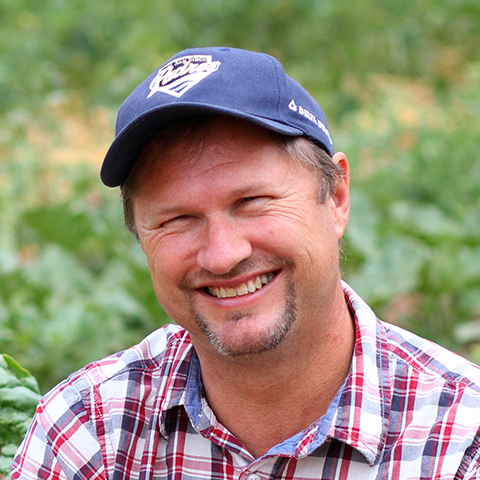
Scott Berndt
Scott Berndt - operator of Fox Farm, a 2.5 acre urban farm in Riverside. Scott grew up
on a Dairy/beef/grain farm in South Dakota. Moved to California in 1987 and worked in
restaurant and Hotel Management until becoming the Food Hub Coordinator for RUSD
in 2017. Board member Riverside Food Coop, Riverside Food Systems Alliance,
Sherman Indian High School Agricultural Task Force.

Tracy Kimura
Greater LA Region - Farm to School Regional Producer Engagement Specialist
(Los Angeles, Orange, San Bernardino)
CA Department of Food and Agriculture
Tracey Kimura is the Farm to School Regional Producer Engagement Specialist for the Greater
LA Region, where she supports and connects local producers, schools, and regional
stakeholders to enhance regional farm to school programs. Tracey has a decade of experience
working in school gardens, small farms, and community gardens, and has a background in all
aspects of urban ag from production to education programs. Before joining CDFA, Tracey
worked at UC Riverside R'garden, Cal Poly Pomona Lyle Center for Regenerative Studies,
Pomona Unified School District, and Huerta del Valle. Based in Orange County.
Jennifer Huang
Southern Region - Farm to School Regional Producer Engagement Specialist
(Imperial, Riverside, San Diego)
CA Department of Food and Agriculture
Jennifer Huang is the Farm to School Regional Producer Engagement Specialist for the
Southern Region. She is a registered dietitian with an M.S. in Food Policy from Tufts University,
and now works to connect local farmers with local schools and collaborate with regional
stakeholders to strengthen farm to school programs. Before joining CDFA, Jennifer specialized
in nutrition labeling and commercialization of organic products and K-12 foods. Based in San
Diego
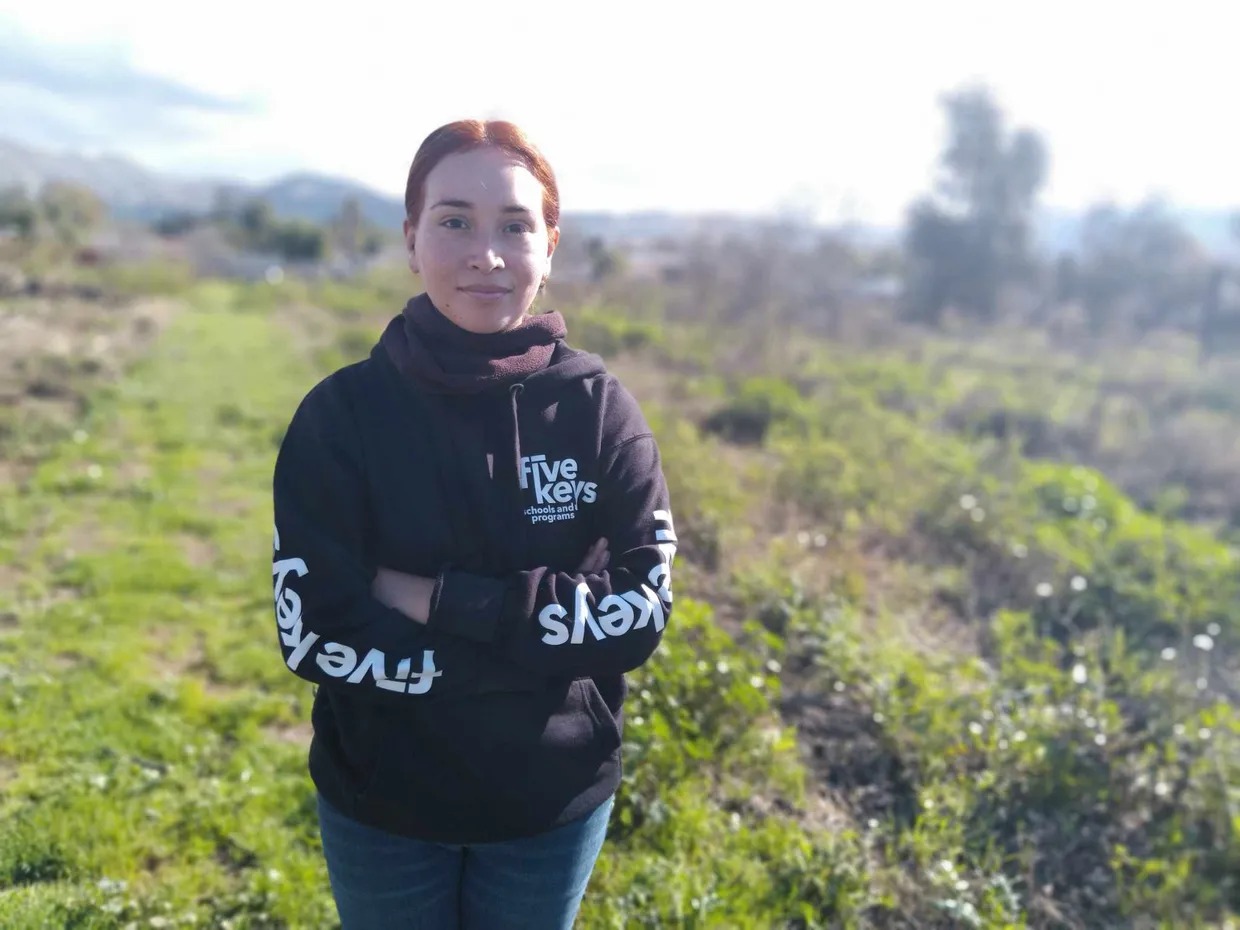
Areli Alanis Mendoza
Areli serves as Small Farm Ambassador and Bilingual Instructor for the EAT! Cultural Center & Farm embodying a pioneering spirit as the first generation in her family to work in California agriculture. With a profound connection to Mexico's agricultural heritage, Areli's upbringing instilled in her a deep rooted passion for farming, inherited from generations before her.
Currently pursuing higher education in agriculture, Areli’s academic journey has been enriched by practical experiences, including an internship with the Upland Unified School District in partnership with FoodCorps. Committed to community service, she furthered her impact by working with Huerta Del Valle on local agricultural initiatives, championing sustainable practices and food security.
Combining academic insight with hands-on expertise, Areli has been distributing, growing and having the most wonderful conversations about food in the community since and hopes to continue to do so for years to come. With an unwavering dedication, she aspires to continue her efforts in empowering communities locally and globally by bridging the gap between art, education and our relationship with the land.
SPANISH
Areli se desempeña como embajadora e instructora bilingüe de EAT! Cultural Center & Farm encarna un espíritu pionero como la primera generación de su familia en trabajar en la agricultura de California. Con una profunda conexión con la herencia agrícola de México, la familia de Areli le inculcó una pasión profundamente arraigada por la agricultura, heredada de generaciones anteriores a ella.
Actualmente cursando educación superior en agricultura, el recorrido académico de Areli se ha enriquecido con experiencias prácticas, incluida una pasantía en el Distrito Escolar Unificado de Upland en asociación con FoodCorps. Comprometida con el servicio comunitario, impulsó su impacto trabajando con Huerta Del Valle en iniciativas agrícolas locales, defendiendo prácticas sostenibles y la seguridad alimentaria.
Combinando conocimientos académicos con experiencia práctica, Areli ha estado distribuyendo, creciendo y teniendo las conversaciones más maravillosas sobre alimentos en la comunidad desde entonces y espera continuar haciéndolo en los años venideros. Con una dedicación inquebrantable, aspira a continuar sus esfuerzos para empoderar a las comunidades a nivel local y global y cerrar la brecha entre el arte, la educación y nuestra relación con la tierra.
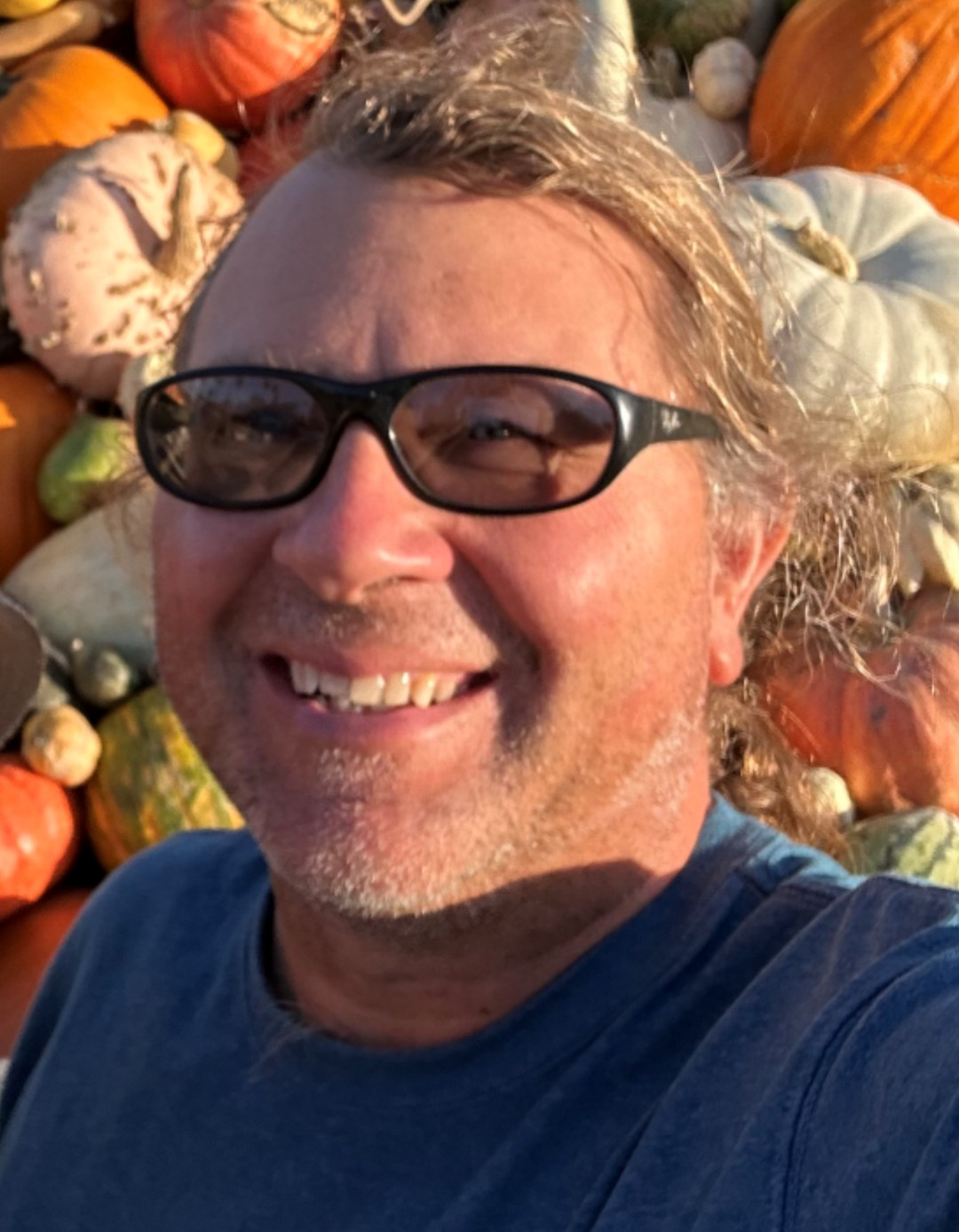
Greg Bouroughs
Greg says his love of gardening can be traced back to kindergarten when he brought home a pumpkin plant. He sold succulents to his neighbors in Fullerton during his elementary school years and later tried his hand at a farmers market in his 20s. In his 30s he dreamed of setting up a farm stand but his full-time career as a mason kept him from seriously pursuing the idea. Over the years he continued to garden when he had time, trying out different growing systems along the way.
Fast forward to March 2020 when Greg became aware of plant and seed shortages around the world so he decided to have a Spring plant sale, even though it would be very late in the season to start from seed. Without an email list and minimal car traffic due to the restrictions in place at the time he grew 1000+ plants without knowing what was going to happen.
During that first Spring plant sale he met hundreds of people – from novices to experienced gardeners - and could be found outside every day answering questions and providing tours of his growing systems. Now heading into its sixth year, the Spring Home Food Production Plant Sale continues to expand, offering over 150 different plants throughout the season, all started by seed, cuttings or slips onsite at the Farm on 7th.

Margaret Adamek, PhD
Blue Zones National Food Policy Expert
As Blue Zones’ National Food Policy Expert, Maggi Adamek, PhD, leads the company in reimagining the ways communities eat, through healthy changes to settings and systems. A highly respected national food systems expert, Maggi has worked at the intersection of food, health, and agriculture to improve public health for nearly three decades. As the developer of nationally prominent food systems success stories ranging from food hubs to statewide food charters, she has been quoted by Michael Pollan in the New York Times and has published books and peer-reviewed and popular articles on many aspects of the US food system. With her relatable and effective facilitation style, scholarly training in adult learning, and deep experience in working across diverse cultural contexts, Maggi fosters positive collaboration for groups seeking big change in their food system.
With an undergraduate degree from Carleton College and doctorate from the University of Minnesota, Maggi’s engaging and informed presentation of food systems issues is grounded in a nuanced understanding of the US food system and a keen grasp of the potential all communities have to chart a healthy food future for themselves.
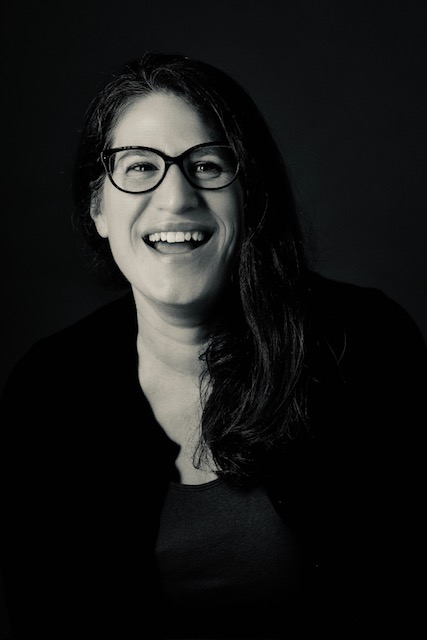
Erin Edwards
The Executive Director of Blue Zones Project Riverside. Erin has nearly two decades of experience in policy, philanthropy, and nonprofit leadership, having recently served as a Riverside City Councilmember. In that role, Erin represented 45,000 residents and hundreds of businesses in the Downtown Riverside core and surrounding neighborhoods where she created Riverside’s 6-pillar Homelessness Action Plan; sparked the Riverside Nonprofit Resilience Fund and Affordable Housing Trust Fund; and championed Riverside’s Community Engagement Policy, Street Outreach Nurse program, Wildlands public safety teams, and Parks & Neighborhood Specialists program. Erin also served as Chair of the Riverside City Council’s Housing & Homelessness Committee; on the Governing Board of Riverside County’s Continuum of Care; and two terms as Riverside’s Mayor Pro Tempore. Prior to her role as a Riverside City Councilmember, Erin served with The Equality Fund, the United Way, and the Northside Anti-Hunger Network, as well as two terms with AmeriCorps. She received Bachelor’s degrees in French and English from Augustana College, and a Master’s degree in International Development from the University of Wisconsin. Erin and her partner, Liz, have two young children, Ramona and Simon.
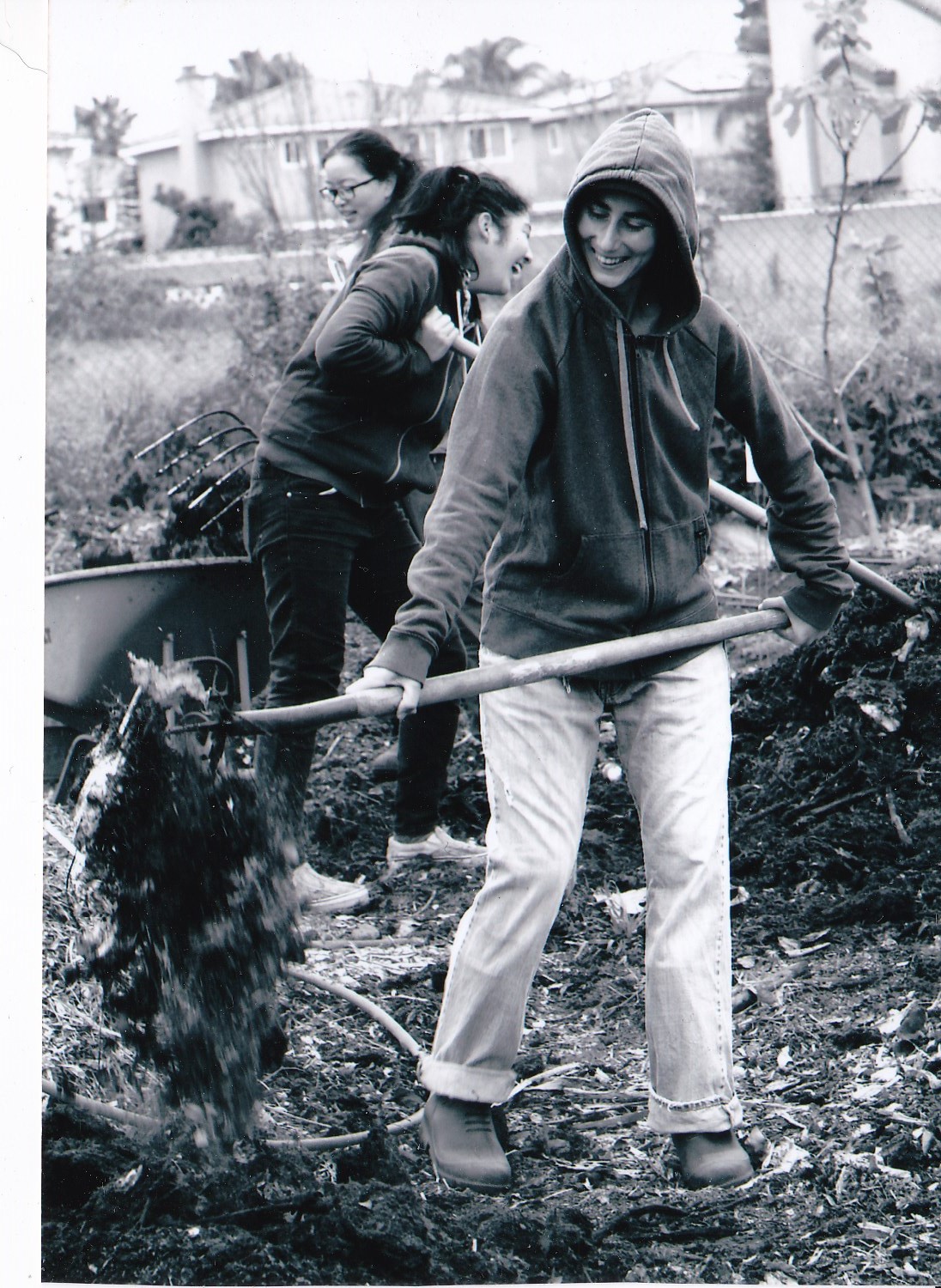
Elinor Crescenzi
An engaging community organizer with an inspiring dedication to sustainability and social justice, currently working on projects designed to dismantle systematic oppressions through community-based ecological farming, food access, environmental justice, community composting, integrative nutrition education, and zero waste advocacy. Elinor has a longstanding passion for developing community food systems programs and infrastructure and over 10 years experience doing so with people of diverse socioeconomic and cultural backgrounds in a variety of settings, including schools, churches, community gardens & farms, teacher training centers, farmers markets, neighborhoods, municipalities, and homes.
Elinor is currently a core organizer within the Integrative Development Initiative, a worker self-directed nonprofit which stewards multiple active initiatives which center healthy food systems and community-building including the Commons Restoration (CORE) initiative, the ECOFARM Initiative (Ecological and Community Oriented Farming and Resource Mobilization), Food Cycle Collective, and the Pomona Community Farmer Alliance.
Elinor holds a Masters degree in Positive Developmental Psychology and brings critical expertise from the social sciences to enhance the effectiveness of sustainability and social justice initiatives in community-based settings.
SPANISH
Elinor Crescenzi es una apasionada organizadora comunitaria con una inspiradora dedicación a la sostenibilidad y la justicia social, que actualmente trabaja en proyectos diseñados para desmantelar las opresiones sistemáticas a través de la agricultura ecológica comunitaria, el acceso a los alimentos, la justicia medioambiental, el compostaje comunitario, la educación nutricional integradora y la defensa de los residuos cero. Elinor tiene una larga pasión por el desarrollo de programas de sistemas alimentarios de la comunidad y la infraestructura y más de 10 años de experiencia haciéndolo con personas de diversos orígenes socioeconómicos y culturales en una variedad de entornos, incluyendo escuelas, iglesias, jardines comunitarios y granjas, centros de formación de profesores, mercados de agricultores, barrios, municipios y hogares. Elinor es actualmente un organizador central dentro de la Iniciativa de Desarrollo Integrativo, un trabajador auto-dirigido sin fines de lucro que administra múltiples iniciativas activas que los sistemas de alimentos saludables centro y la construcción de la comunidad, incluyendo la Restauración de los Comunes (CORE) iniciativa, la Iniciativa ECOFARM (Ecológica y Orientada a la Comunidad Agrícola y Movilización de Recursos), Colectivo Ciclo Alimentario, y la Alianza Agrícola Comunitaria de Pomona.
Elinor tiene un máster en Psicología del Desarrollo Positivo y aporta conocimientos críticos de las ciencias sociales para mejorar la eficacia de las iniciativas de sostenibilidad y justicia social en entornos comunitarios.
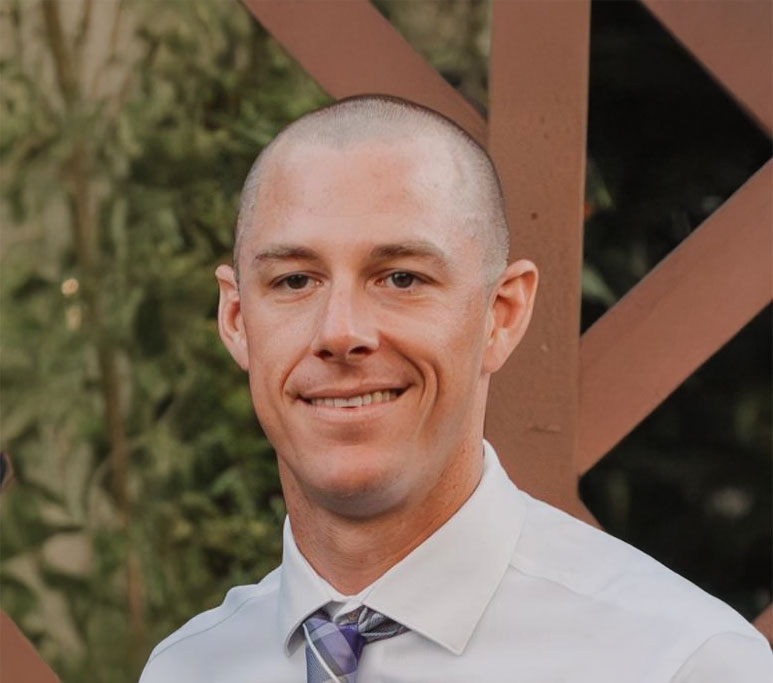
Tyler Culp
Tyler Culp is a Relationship Manager for American AgCredit who resides in Murrieta, CA.
He grew up in Southern California and attended Cal Poly- San Luis Obispo, majoring in
Agribusiness with a concentration in Finance.
He spent his first 8 years of his career with American AgCredit as a Credit Underwriter, and has
spent the last 4 years working as a Relationship Manager for American AgCredit in their
Temecula office, servicing the Southern California Region (Riverside, San Diego, Orange, Los
Angeles, and San Bernardino Counties).

Nikiko Masumoto
Nikiko Masumoto is an organic farmer and artist. She is
Yonsei, fourth-generation Japanese American, and
stewards the same soil her great-grandparents worked in
California where Masumoto Family Farm grows organic
peaches, nectarines, apricots and grapes for raisins. She’s
co-written a new children’s book, Every Peach is a Story,
with her father David Mas Masumoto. Nikiko is an arts-leader and co-founder of Yonsei Memory
Project, an arts-based initiative to activate Japanese
American history in the Central Valley. She served on
USDA’s State Committee, and volunteers on various nonprofit boards.
Her most cherished value is courage and most important
practice is listening.

Greg Pennyroyal
Greg Pennyroyal’s focus is on the relationship between healthy ecosystems, and healthy communities. He is following a family tradition of medicinal plant farming from his mother, a traditionally trained herbalist in Norway, to his current position as Vineyard Manager of Wilson Creek Winery and Professor of Viticulture in at Mount San Jacinto College in Temecula and is a founding mentor for the Temecula Valley Highschool Regenerative Agriculture club and CTE program. He is the founder of the Small Winegrowers Association and is developing a regenerative curriculum and campus at Mt San
Jacinto College.
Previous experience as manager of Trout Lake Farm, medicinal herb
farm, Director of Botanical Research at Leiner Health, a researcher with the National Institutes of Health, 10 years on the United States Pharmacopeial Convention Board developing medicinal plant standards and work with the Global Institute for Tibetan Medicine has reinforced an evolving respect for the power of science coupled with the wisdom of nature in allowing a positive future that wants to emerge
Erik Unger
Erik Unger is a Southern California farmer, educator, and an advocate for economically viable sustainable agriculture. In 2018, he created Gable Farms, an organic market garden in Riverside California. Gable Farms is a Nonprofit with its primary mission to serve the cognitively disadvantaged community by providing work and lifeskills opportunities.
Scott Berndt
Scott Berndt is the sales and procurement manager for the Inland Empire Regional Food Hub
He also owns and operates Raincross Farm and Nursery. Mr Berndt serves on the board of the Inland Empire Regional Food System, Riverside Food Cooperative, and Community Alliance of Family Farmers.

Tracey Kimura
Greater LA Region - Farm to School Regional Producer Engagement Specialist
(Los Angeles, Orange, San Bernardino)
CA Department of Food and Agriculture
Tracey Kimura is the Farm to School Regional Producer Engagement Specialist for the Greater LA Region, where she supports and connects local producers, schools, and regional stakeholders to enhance regional farm to school programs. Tracey has a decade of experience working in school gardens, small farms, and community gardens, and has a background in all aspects of urban ag from production to education programs. Before joining CDFA, Tracey worked at UC Riverside R'garden, Cal Poly Pomona Lyle Center for Regenerative Studies, Pomona Unified School District, and Huerta del Valle. Based in Orange County.

Jennifer Huang
Southern Region - Farm to School Regional Producer Engagement Specialist
(Imperial, Riverside, San Diego)
CA Department of Food and Agriculture
Jennifer Huang is the Farm to School Regional Producer Engagement Specialist for the Southern Region. She is a registered dietitian with an M.S. in Food Policy from Tufts University, and now works to connect local farmers with local schools and collaborate with regional stakeholders to strengthen farm to school programs. Before joining CDFA, Jennifer specialized in nutrition labeling and commercialization of organic products and K-12 foods. Based in San Diego

Allison Paap
As Director of Regional Banking at American AgCredit, Allison Paap helps provide financing for all types of farmers and ranchers throughout Southern California and the Central Coast. With over 20 years of experience with Farm Credit, Allison works with farmers and ranchers within all segments of agriculture, and continues to be an active participant in the Southern California agricultural community. She currently serves on USDA’s Federal Advisory Committee for Urban Agriculture and Innovative Production, and serves on the Boards of the San Diego County Farm Bureau, the Inland Empire Food System Alliance, and the Industry Leadership Board for the Agribusiness program at Cal Poly‐Pomona. In her spare time, Allison enjoys exploring the mountains and beaches of Southern California with her husband and two daughters.
Tyler Culp
Tyler Culp is a Relationship Manager for American AgCredit who resides in Murrieta, CA.
He grew up in Southern California and attended Cal Poly- San Lius Obispo, majoring in Agribusiness with a concentration in Finance.
He spent his first 8 years of his career with American AgCredit as a Credit Underwriter, and has spent the last 4 years working as a Relationship Manager for American AgCredit in their Temecula office, servicing the Southern California Region (Riverside, San Diego, Orange, Los Angeles, and San Bernardino Counties).

Patrick Mitchell
I am a California Farmer, Naturalist, Teacher and Writer and currently serve as the Five Keys Ecological Agriculture Training (EAT!) Farm Operations and Cultural Center Manager. In this role, I oversee the Small Farm Apprenticeship Program, guide our land management practices and production and manage the collaborative use and maintenance of the Ecological Agriculture Training Cultural Center. I am a Native Californian (though not Indigenous) and have authored two books and numerous popular and peer reviewed articles related to land, water, biological diversity and culture in Southern California. I have more than 25 years of experience in ecological horticulture and land-based education. For the past 15 years I have taken a hands-on role in various market-scale farm operations by growing and selling culinary herbs, citrus, vegetables and other specialty crops. During this time, I have developed a small-farm system that incorporates the practice of Natural History and the principles of ecological restoration with bio-intensive crop production and regenerative animal agriculture. I have owned several small businesses with my wife including Blue Orchid Flower Shop and Wild Bunch Flower Company for which I currently grow flowers at our home headquarters in Norco, California. I have managed farms, horse ranches, resort landscapes, public parks, natural areas and historic sites. I continuously study the relationship between nature and culture and believe deeply in the transformative power of putting one's hands in soil.

Madison Santiago
Madison Santiago is the Sustainable Agriculture Lead for the Inland Empire Resource Conservation District (IERCD). Raised in the Inland Empire, she attended California Baptist University, where she earned degrees in Environmental Science and Biology.
Prior to joining the IERCD team, Madison gained valuable experience working at California Baptist University, the City of Fontana, and Cornerstone Consulting Services. She now utilizes her background in research, community engagement, and environmental planning to support local farmers, community gardens, and the public.
In her current role, Madison focuses on identifying and promoting funding opportunities, strengthening local food systems, and improving access to agriculture-based training and workshops to increase agricultural literacy throughout the Inland Empire.

Adriana Murguia
Adriana Murguia is the Agriculture conservation Advisor at RCRCD. She is a UC Santa Cruz alumnus in Environmental Studies and Sustainable Food Systems and a graduate of Ecosur, a graduate program in Chiapas, Mexico.

Jamie Embree
Jamie Embree is a farmer, artist and nutrition professional with a passion for spreading Urban Agriculture, sustainability and nutrition. She has focused her studies on interlacing of phytochemicals, soil health, sustainability, urban agriculture and food waste.
She is co-owner, co-founder and CEO of Grow the Seed Nutrition and LLC, a small home urban farm that sells more than produce and utilizes creative designs, interplanting, permaculture, and soil building practices, maximizing a small city space.
She is an Ecological Agricultural Training Center graduate, Master Gardener and Degreed Nutritionist with a Bachelors in Dietetics from Cal Poly Pomona and a Graduate Certificate in Horticulture and Human Health from Colorado State University. She previously worked in public health as a WIC Degreed Nutritionist and a Health Educator for Cal Poly Pomona.

Matthew Hedden
Co-founder and co-owner of Grow the Seed Nutrition LLC. I grew up working in greenhouses in New Jersey.
With a BS in Industrial design, experience in steel fabrication and construction, I am more focused on the systems and infrastructure of the farm.

Natalie Solares
B.S. Environmental Sciences, UC Berkeley
M.S. Plant Pathology, UC Riverside
Natalie Solares is Zapoteca and comes from a line of subsistence farmers from Oaxaca, Mexico, and a paternal lineage of subsistence farmers from Guatemala. She has 10+ years of experience in the agriculture field as a research associate on large-scale agriculture and in small-scale agriculture production and technical assistance for berries and vegetable farmers in California. Natalie's work focused on soil health, systems-based approaches for achieving disease-suppressive soils, improving water quality, irrigation management, and nutrient management. She has over four years supporting Tribes and Tribal producers in agriculture, traditional food systems, and conservation work through technical assistance support and resource identification. Natalie is a gardener and is passionate about supporting people to accomplish food sovereignty, access to traditional foods, and being a respectable land steward.

Nicholas Rajen- Diné, Oneida
B.S Physics, University of New Mexico
M.S. Materials Science and Engineering, UC Riverside
Working in the fields of agriculture and combined energy-ecological systems, Nic is an advocate for Indigenous science and engineering scholars, researchers, and innovators. Nic’s work history ranges from computational materials science to arid lands organic farming-agroforestry, environmental restoration and Tribal College administration. He presently focuses on environmental remediation through regenerative agriculture and soil science, sustainable energy infrastructure by way of agrovoltaics, and empowerment of underrepresented students in STEM. An enrolled member of the Navajo Nation and Kinyaa'áanii Diné/East Indian, Nic researches solutions for future natural resources practices and technologies to build sustainable and healthy communities for both people and the environment.

Erin Edwards
Erin Edwards is the Executive Director of Blue Zones Project Riverside. Erin has nearly two decades of experience in policy, philanthropy, and nonprofit leadership, having recently served as a Riverside City Councilmember. In that role, Erin represented 45,000 residents and hundreds of businesses in the Downtown Riverside core and surrounding neighborhoods where she created Riverside’s 6-pillar Homelessness Action Plan; sparked the Riverside Nonprofit Resilience Fund and Affordable Housing Trust Fund; and championed Riverside’s Community Engagement Policy, Street Outreach Nurse program, Wildlands public safety teams, and Parks & Neighborhood Specialists program. Erin also served as Chair of the Riverside City Council’s Housing & Homelessness Committee; on the Governing Board of Riverside County’s Continuum of Care; and two terms as Riverside’s Mayor Pro Tempore.
Prior to her role as a Riverside City Councilmember, Erin served with The Equality Fund, the United Way, and the Northside Anti-Hunger Network, as well as two terms with AmeriCorps. She received Bachelor’s degrees in French and English from Augustana College, and a Master’s degree in International Development from the University of Wisconsin

Paloma Montes
Paloma Montes is the Public Policy Lead at Blue Zones Riverside. With 6 years of experience in policy, community organizing, and communications, she is eager to build the policy foundation that will make healthy choices accessible to everyone, everywhere in Riverside. In her time as Policy Director at the Inland Empire Labor Council, she played a key role in leading non-profit coalitions. In her service as a Legislative Field Representative in Riverside's Ward 1 (2019-2024), Paloma worked with stakeholders across various neighborhoods and industries to make community initiatives and policies come alive. Her passion for connecting with her neighbors and fusing community input with policy decisions led her to where she is today.
Paloma is a lifelong resident and lover of Riverside. She earned her Bachelor’s Degree in Visual & Media Studies from the University of Redlands.

Ciara Thrower
Ciara Thrower serves the Blue Zones, Riverside team as the Public Policy Coordinator aiding in building power relationships and expanding collective power to enhance quality of life outcomes throughout the City of Riverside. Thrower is a native of the Inland Empire and graduate of the University of California, Santa Barbara with a Bachelors in Environmental Studies.
Thrower seeks to understand how to create environmentally friendly, healthy and socially-just communities that celebrate diversity and enhance quality of life for all. She has worked with various non-profit organizations, government agencies, and local governments to collaborate towards this goal and create efficient public-private partnerships.

Ron Whitehurst
Ron Whitehurst, specialist in biological pest control and restoration of agro-ecosystems, consults for farmers, gardeners, consultants and practitioners. He facilitates learning about insect pests and solutions in field, greenhouse, landscape, garden and animal rearing situations. His lively discussions about insect lifecycles and predator-prey relationships make the principles of biocontrol easy to understand for both lay and technical audiences. He is a member of the California Sustainable Pest Management Work Group, working with 25 stakeholders to develop a pathway to a future with less use of toxic pesticides.
Ron is a California licensed Pest Control Advisor and co-owner of Rincon-Vitova Insectaries, Inc. that produces and markets supplies for biological pest control and agroecology. With a BA in biology from Indiana University, Ron early on worked as an organic garden writer, and helped organize an organic grower association. He has been communicating about organic methods of farming and gardening for over 40 years. Since 1997 he has guided people through the steps of creating and biologically managing ecosystems to grow healthy plants to minimize and control pests, using insect habitat, cultural methods, beneficial insects, and soft pesticides when needed. He has led projects for the Dietrick Institute for Applied Insect Ecology, co-located with Rincon-Vitova. An avid gardener, he loves making compost, building soil, and creating bio-intensive food producing landscapes.